
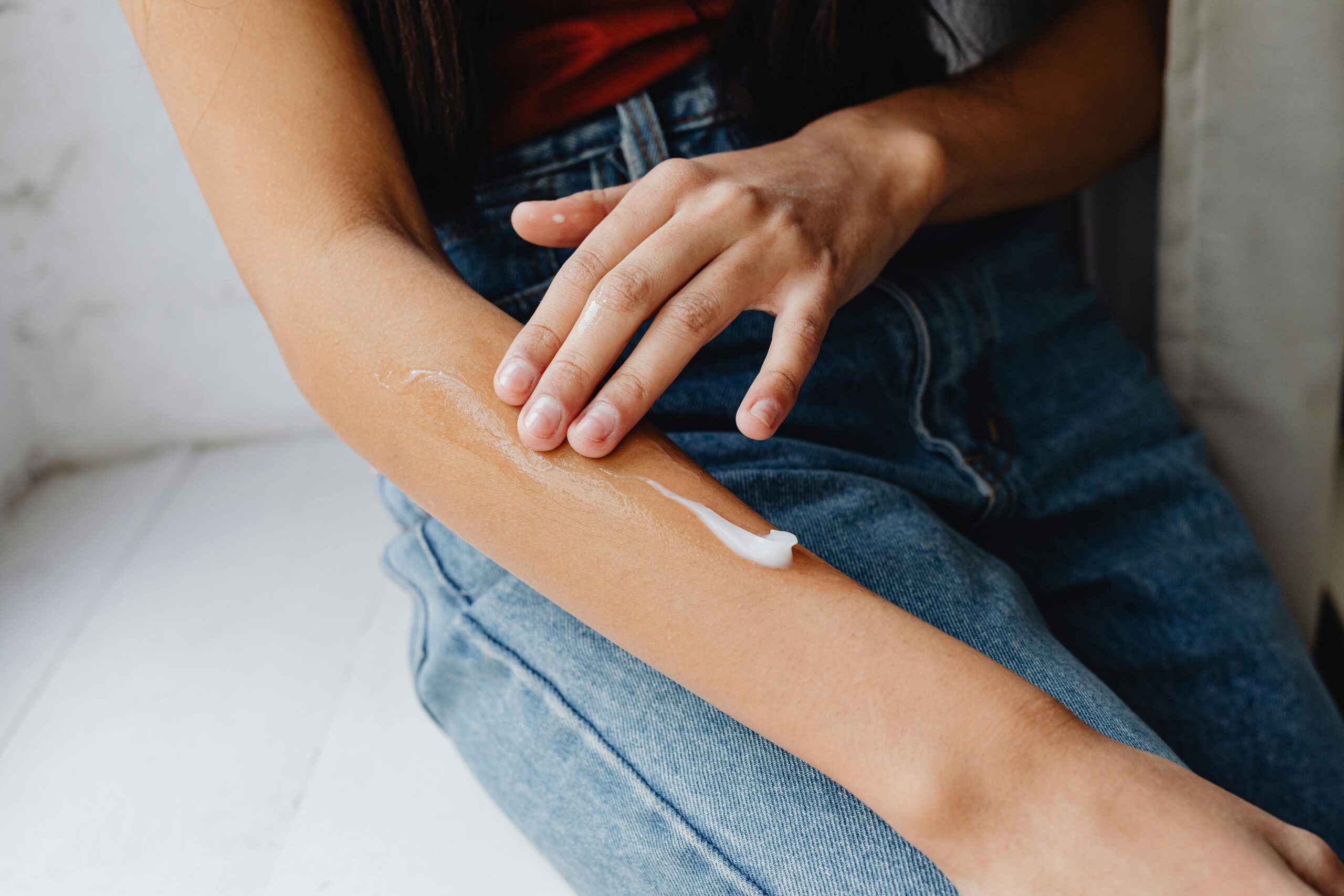
The quest for radiant, youthful skin is not a modern pursuit. Long before the advent of commercial skincare products, our ancestors relied on nature’s resources to maintain their skin’s health and beauty. From Cleopatra’s legendary milk baths to the olive oil rituals of Ancient Greece, ancient civilizations developed sophisticated skincare routines using natural moisturizers.
In this article, we’ll explore the history of skin moisturizers, uncovering ancient ingredients, practices, and wisdom. We’ll also dive into modern scientific research to understand how these age-old remedies continue to benefit our skin today. This journey through time reveals that while technology may have changed, the basic principles of skincare remain the same.
The Importance of Skin Moisturization in Ancient Times
The harsh environmental conditions in ancient times – including exposure to the sun, wind, and varying climates – made skin protection and hydration essential. Moisturization was crucial not only for beauty but also for skin health and healing. Civilizations across the world developed their own techniques for moisturizing and maintaining skin health.
Key reasons why moisturization was important in ancient times:
- Protection from Elements: Ancient people faced intense sun exposure, dry winds, and dust. Moisturizers helped form a protective barrier over the skin.
- Healing Properties: Many ancient moisturizers also had antibacterial and anti-inflammatory properties, aiding in wound healing and treating skin conditions.
- Cultural and Religious Practices: Skincare often played a significant role in religious rituals and social hierarchies. Having smooth, glowing skin was often seen as a sign of purity, health, and beauty.

1. Ancient Egypt: Cleopatra and Milk Baths
- Key Ingredients: Milk, honey, almond oil
- Historical Context: Cleopatra, the last active ruler of the Ptolemaic Kingdom of Egypt, is perhaps the most famous ancient beauty icon. According to legend, she bathed in milk to keep her skin soft and radiant. Historians also note that honey and almond oil were part of her moisturizing routine.
- Scientific Evidence: Milk contains lactic acid, an alpha hydroxy acid (AHA) that gently exfoliates the skin, removing dead skin cells and revealing a smoother surface beneath. A study published in Clinical Dermatology in 2004 noted the exfoliating benefits of AHAs in skin care, which can improve skin texture and hydration.
- Why It Worked: The combination of milk’s lactic acid and honey’s natural humectant properties helped to keep Cleopatra’s skin moisturized and glowing.
DIY Recipe:
Ingredients:
- 2 cups full-fat milk or goat milk
- ½ cup raw honey
- 2 tbsp almond oil
How to Make & Use (Step-by-Step):
- Warm the milk slightly (not boiling).
- Mix in honey until fully dissolved.
- Add almond oil and stir well.
- Pour the mixture into a warm bath.
- Soak for 20–30 minutes.
- Rinse off with lukewarm water, no soap.

2. Ancient Greece: Olive Oil as a Moisturizer
- Key Ingredients: Olive oil, beeswax, herbs
- Historical Context: In Ancient Greece, olive oil was a symbol of prosperity and health. Not only was it used in cooking and religious ceremonies, but it was also a staple in skincare. Greek athletes would rub their bodies with olive oil before competitions to protect their skin and enhance their appearance.
- Scientific Evidence: Olive oil is rich in antioxidants like Vitamin E and polyphenols, which help combat oxidative stress and free radical damage. According to a study in Antioxidants (2019), these compounds provide anti-aging benefits and help maintain skin elasticity.
- Why It Worked: Olive oil forms a barrier on the skin, sealing in moisture and protecting it from environmental damage.
DIY Recipe:
Ingredients:
- 3 tbsp extra virgin olive oil
- 1 tbsp beeswax pellets
- 3 drops lavender or rosemary essential oil (optional)
How to Make & Use (Step-by-Step):
- Melt beeswax and olive oil in a double boiler over low heat.
- Stir until combined and remove from heat.
- Add essential oil if desired.
- Pour into a small jar and let it cool.
- Apply a small amount to clean skin, especially dry areas.

3. Ancient India: Ayurvedic Moisturizers
- Key Ingredients: Ghee, turmeric, sandalwood, sesame oil
- Historical Context: Ayurveda, the traditional system of medicine in India, has long emphasized the importance of skin care. Ancient Ayurvedic texts recommended natural oils and herbs to nourish the skin, with ghee (clarified butter) and sesame oil being the most popular moisturizers.
- Scientific Evidence: Ghee is rich in essential fatty acids that nourish and hydrate the skin. A 2017 study published in Pharmacognosy Research noted ghee’s emollient properties, which help repair the skin’s natural barrier and enhance hydration.
- Why It Worked: Ghee and sesame oil penetrate deeply into the skin, delivering moisture and nutrients. Turmeric and sandalwood, known for their anti-inflammatory properties, also helped soothe irritated skin and combat infections.
DIY Recipe:
Ingredients:
- 2 tbsp ghee (clarified butter)
- 1 tsp turmeric powder
- 1 tsp sandalwood powder (or 3 drops sandalwood oil)
- 1 tbsp sesame oil
How to Make & Use (Step-by-Step):
- Gently warm ghee and sesame oil.
- Mix in turmeric and sandalwood.
- Let it cool and apply a thin layer to skin.
- Leave for 15–30 minutes, then rinse with lukewarm water.
- Use 2–3 times per week.
Caution: Turmeric can stain – do a patch test.

4. Ancient Rome: Roman Baths and Moisturizing Rituals
- Key Ingredients: Olive oil, beeswax, rose water, herbs
- Historical Context: In Ancient Rome, public baths were central to social life. After bathing, Romans would apply a mixture of olive oil, beeswax, and herbs to moisturize and protect their skin. Rose water was also used as a toner and hydrating mist.
- Scientific Evidence: Rose water has anti-inflammatory properties, as confirmed by studies in Complementary Therapies in Medicine (2010), making it beneficial for soothing irritated skin. Beeswax, on the other hand, acts as a natural emollient, locking in moisture.
- Why It Worked: The combination of olive oil’s moisturizing benefits and rose water’s soothing effects made this routine effective for maintaining hydrated and glowing skin.
DIY Recipe:
Ingredients:
- 2 tbsp olive oil
- 1 tbsp beeswax
- 2 tbsp rose water
- Dried lavender or rosemary (optional)
How to Make & Use (Step-by-Step):
- Melt beeswax with olive oil over low heat.
- Remove from heat and stir in rose water and herbs.
- Mix until creamy and store in a small container.
- Apply to clean skin, leave for 20 minutes, rinse.

5. Traditional Chinese Medicine: Pearl Powder and Rice Water
- Key Ingredients: Pearl powder, rice water, camellia oil
- Historical Context: In ancient China, empresses and nobility used pearl powder and rice water as part of their skincare routines. Pearl powder was believed to promote youthful, radiant skin, while rice water was used as a natural toner and moisturizer.
- Scientific Evidence: Modern research, such as a study in Cosmetics (2018), shows that pearl powder is rich in amino acids, calcium, and trace minerals that support skin regeneration and improve elasticity. Rice water contains inositol, which is known to enhance skin’s elasticity and reduce the appearance of wrinkles.
- Why It Worked: Pearl powder brightened the skin and enhanced its texture, while rice water hydrated and softened the skin, helping to maintain a youthful appearance.
DIY Recipe:
Ingredients:
- ½ cup uncooked rice
- 1 cup water
- ½ tsp pearl powder (available online or in Asian markets)
- 1 tbsp camellia oil
How to Make & Use (Step-by-Step):
- Rinse and soak rice in water for 30 minutes.
- Strain and save the milky water – this is your rice water.
- Add pearl powder and camellia oil, shake well.
- Apply with a cotton pad or spray bottle.
- Store in fridge, use within 5 days.

6. The Mayans: Cacao Butter and Aloe Vera
- Key Ingredients: Cacao butter, aloe vera, honey
- Historical Context: The ancient Mayans used cacao butter and aloe vera to protect their skin from the intense sun and harsh environmental conditions. Cacao butter was applied to the skin for its emollient properties, while aloe vera was used to treat sunburns and wounds.
- Scientific Evidence: Cacao butter is rich in fatty acids that help hydrate and nourish the skin. According to Molecules (2019), cacao butter’s high concentration of oleic and stearic acid makes it an excellent moisturizer. Aloe vera is known for its soothing and healing properties, with studies showing its ability to enhance skin hydration and repair .
- Why It Worked: The rich fatty acids in cacao butter nourished dry skin, while aloe vera’s cooling and healing properties protected the skin from damage.
DIY Recipe:
Ingredients:
- 2 tbsp cacao butter
- 1 tbsp aloe vera gel (fresh or 100% pure)
- 1 tbsp honey
How to Make & Use (Step-by-Step):
- Melt cacao butter over low heat.
- Remove from heat and stir in aloe and honey.
- Blend or whisk until creamy.
- Store in a small jar.
- Apply to skin daily, especially after sun exposure.

7. Ancient Japan: Camellia Oil for Geisha
- Key Ingredients: Camellia oil, rice bran, green tea
- Historical Context: In Japan, Geisha were known for their flawless, porcelain skin. They used camellia oil as a moisturizer to keep their skin soft and youthful. Rice bran and green tea were also used in their skincare routines to brighten and purify the skin.
- Scientific Evidence: Camellia oil is rich in oleic acid and antioxidants, which help hydrate and protect the skin from free radical damage. A 2020 study in the Journal of Cosmetic Science found that camellia oil helps improve skin barrier function and provides deep hydration.
- Why It Worked: Camellia oil’s lightweight texture made it easy to absorb into the skin, providing moisture without clogging pores.
- DIY Recipe:
- Ingredients:
- 1 tbsp camellia oil
- 1 tbsp rice bran powder or rice bran oil
- 1 green tea bag or 1 tsp matcha powder
- How to Make & Use (Step-by-Step):
- Brew green tea (or mix matcha with water), let cool.
- Mix camellia oil and rice bran oil.
- Combine all three into a toner-like serum.
- Apply with hands or cotton pad.
- Use morning and night.
Ancient Moisturizers vs. Modern Science
While ancient moisturizers relied on natural ingredients, many of these traditional remedies have stood the test of time. Modern scientific research supports the benefits of many of these ingredients:
- Olive oil, used by the Ancient Greeks, is still a popular choice today for its antioxidant and moisturizing properties.
- Honey, a favorite of Cleopatra, is known for its humectant properties, drawing moisture into the skin.
- Aloe vera, widely used by the Mayans and Egyptians, continues to be a go-to remedy for sunburns and dry skin due to its soothing and hydrating effects.
Today, moisturizers combine ancient wisdom with cutting-edge research. Ingredients like hyaluronic acid, glycerin, and ceramides complement the natural oils, butters, and herbs used by our ancestors, providing even more effective hydration and protection.
Key Lessons from Ancient Skincare
- Natural Ingredients Work: Many ancient civilizations relied on natural ingredients like oils, butters, and plant extracts for skincare. These ingredients are still valued today for their ability to hydrate, protect, and heal the skin.
- Consistency Is Key: Ancient beauty rituals involved regular use of moisturizers, much like modern skincare routines. Whether it was daily olive oil massages or milk baths, the focus was on consistent care.
- Customizing for the Environment: Ancient people adapted their skincare routines to their environments. From sun protection in Egypt to the humid climate of Japan, skincare was tailored to meet specific needs—a principle that’s still important today.
Effectiveness Comparison Table
| Ancient Recipe | Hydration | Anti-Aging | Skin Repair | Soothing | Best For |
|---|---|---|---|---|---|
| Egypt (Milk & Honey) | ★★★★☆ | ★★★☆☆ | ★★★☆☆ | ★★★☆☆ | Dry & dull skin |
| Greece (Olive Oil) | ★★★★★ | ★★★★☆ | ★★★☆☆ | ★★☆☆☆ | Very dry or mature skin |
| India (Ghee Ayurvedic) | ★★★★★ | ★★★★☆ | ★★★★☆ | ★★★★☆ | Sensitive, inflamed skin |
| Rome (Oil & Rose Water) | ★★★★☆ | ★★★☆☆ | ★★★☆☆ | ★★★★☆ | Everyday use, irritated skin |
| China (Pearl & Rice) | ★★★★☆ | ★★★★★ | ★★★★☆ | ★★★★☆ | Aging, uneven skin tone |
| Maya (Cacao & Aloe) | ★★★★☆ | ★★★☆☆ | ★★★★★ | ★★★★★ | Sun-damaged, stressed skin |
| Japan (Geisha Blend) | ★★★★★ | ★★★★☆ | ★★★☆☆ | ★★★☆☆ | Oily to combination, dull skin |
Legend:
★☆☆☆☆ = Low
★★★★★ = Excellent
Conclusion
The wisdom of ancient civilizations continues to influence modern skincare. From Cleopatra’s milk baths to the olive oil massages of Ancient Greece, many ancient moisturizing techniques and ingredients remain relevant today. The emphasis on hydration, protection, and healing has always been central to skin health, proving that no matter how far we’ve come, we still have much to learn from the past.
The Evolution of Hydration: From Ancient Rituals to Modern Hyaluronic Acid
Throughout history, civilizations have sought effective ways to maintain youthful, hydrated skin. From Cleopatra’s legendary milk baths in Ancient Egypt to the pearl powders of Chinese empresses, hydration rituals have always played a vital role in beauty practices. While these traditions relied on natural, unrefined ingredients, modern science has led us to advanced compounds like hyaluronic acid—a powerful molecule praised for its ability to hydrate the skin at a cellular level. But rather than viewing modern skincare as a break from the past, we can see it as an evolution: a fusion of ancient wisdom with cutting-edge science.
Ancient Hydration: Timeless Wisdom from Nature
1. Cleopatra and Lactic Acid in Milk
Cleopatra, renowned for her radiant beauty, bathed in milk enriched with honey and almond oil. What she may not have known is that milk contains lactic acid, an alpha hydroxy acid (AHA) that exfoliates and hydrates the skin. The moisturizing effect of her baths mirrors the function of modern moisturizers: removing dead skin cells and improving skin texture. Her use of honey as a humectant—a substance that draws moisture to the skin—also has a direct parallel with how hyaluronic acid functions today.
2. Greek Olive Oil and Skin Barrier Protection
In Ancient Greece, athletes and aristocrats alike used olive oil to protect and hydrate their skin. Rich in antioxidants and fatty acids, it served to nourish and reinforce the skin’s natural barrier. Today, modern moisturizers combine similar oils with active ingredients like hyaluronic acid to offer hydration plus barrier protection.
3. Ayurveda: Oils, Herbs, and the Deep Moisture Philosophy
Ayurvedic skincare emphasized internal balance and used ghee, sesame oil, turmeric, and sandalwood to nourish the skin. These ingredients offered both anti-inflammatory and deeply moisturizing benefits. Modern formulations mirror these philosophies by blending botanical oils with scientifically backed actives. For example, turmeric is often combined with hyaluronic acid in serums targeting both inflammation and dehydration.
4. Roman Baths and Botanical Infusions
Romans engaged in lengthy bathing rituals, finishing with olive oil-based emollients, beeswax, and rose water. This tradition echoes modern-day skincare layering: hydrating toners (like rose water) followed by moisturizers and occlusives. These techniques, while lacking in the molecular precision of today’s products, underscore the universal understanding that hydration must be both delivered and sealed.
5. Chinese Pearl Powder and Rice Water
In Ancient China, pearl powder and rice water were applied to improve skin tone and elasticity. Pearl powder, rich in minerals and amino acids, helped promote skin regeneration. Rice water contained inositol, enhancing skin barrier function. These techniques align with the modern emphasis on hydration at the dermal level, a role perfectly suited for hyaluronic acid’s penetrating capabilities.
6. Mayan Cacao Butter and Aloe Vera
The Mayans turned to cacao butter and aloe vera to protect skin from harsh sun exposure. Cacao butter’s fatty acids helped repair dry, cracked skin, while aloe soothed and hydrated. This tradition anticipated the now widespread practice of using both emollients and humectants in tandem—a strategy central to the success of hyaluronic acid-based moisturizers.
7. Japanese Camellia Oil and Green Tea
Japanese Geisha used camellia oil and green tea in their skincare rituals, keeping their skin youthful and hydrated. Camellia oil is lightweight and easily absorbed, delivering moisture without clogging pores. Green tea, rich in antioxidants, fought off environmental damage. These ingredients are often incorporated into modern formulas alongside hyaluronic acid, enhancing their anti-aging effects.
Enter Hyaluronic Acid: Nature Meets Science
Discovered in 1934 and later adopted widely in dermatology and cosmetics, hyaluronic acid (HA) is a naturally occurring molecule found in the skin, eyes, and connective tissue. What sets it apart is its extraordinary water-binding ability: it can hold up to 1,000 times its weight in water.
How It Works
HA acts as a humectant, attracting water to the skin and locking it in. When applied topically, it draws moisture from the environment or deeper layers of the skin, plumping the surface and improving elasticity. It works on multiple levels:
- Low-molecular-weight HA penetrates deeper into the dermis.
- High-molecular-weight HA stays near the surface to smooth and hydrate the outer layer.
This multi-level hydration is more precise than anything ancient cultures could achieve, but the goal remains the same: plump, soft, hydrated skin.
Science-Backed Benefits
- Hydration: Instantly boosts skin moisture content
- Elasticity: Improves skin resilience and smoothness
- Anti-Aging: Reduces appearance of fine lines and wrinkles
- Wound Healing: Aids in skin repair, especially post-laser or microneedling treatments
According to a 2011 study published in the Journal of Clinical and Aesthetic Dermatology, topical HA significantly improved skin hydration, texture, and elasticity after 8 weeks of use.
Ancient vs. Modern: What’s the Difference?
| Category | Ancient Methods | Hyaluronic Acid (Modern) |
|---|---|---|
| Source | Natural oils, plants, minerals | Biotechnologically synthesized or plant-derived |
| Function | Hydration, soothing, skin barrier | Deep hydration, elasticity, anti-aging |
| Mechanism | Occlusive/emollient, surface hydration | Humectant, multi-layer penetration |
| Longevity | Short-term moisture | Long-lasting hydration with regular use |
| Precision | Based on tradition and feel | Scientifically measured concentration and delivery |
While ancient methods relied heavily on occlusives (oils, butters) and emollients (honey, milk), hyaluronic acid acts differently by pulling water into the skin—a more active, targeted form of hydration.
The Best of Both Worlds
Modern skincare doesn’t discard the past—it enhances it. In fact, the most effective moisturizers today are often those that blend ancient ingredients with scientific breakthroughs:
- HA + Aloe Vera: Deep hydration plus soothing
- HA + Camellia Oil: Moisture retention plus barrier repair
- HA + Rice Extract: Hydration with brightening properties
- HA + Turmeric: Hydration with anti-inflammatory benefits
By combining ancient moisturizers’ emollient effects with the humectant power of HA, modern products offer a multi-layered, time-tested approach to skincare.
DIY: Ancient-Inspired HA Moisturizing Serum
Ingredients:
- 1 tsp hyaluronic acid powder (or pre-made HA serum)
- 2 tbsp rose water (from Ancient Rome)
- 1 tsp aloe vera gel (from Mayan tradition)
- 3 drops camellia oil (from Japan)
Instructions:
- Mix rose water and aloe vera gel.
- Slowly stir in the HA powder until dissolved (or add serum).
- Add camellia oil and blend.
- Store in a sterilized dropper bottle.
- Use morning and night on clean skin.
Final Thoughts: Hydration as a Timeless Pursuit
From ancient bathhouses and sacred oils to high-tech serums and biotech formulations, the quest for hydrated, glowing skin has remained a constant across civilizations. Hyaluronic acid, often viewed as a modern miracle ingredient, is actually the culmination of centuries of understanding about how skin thrives: with moisture, nourishment, and care.
By looking back, we gain appreciation for how far we’ve come. And by integrating timeless rituals with science-based innovation, we can build routines that are not only effective, but also rooted in cultural heritage and self-care traditions.
So next time you apply your hyaluronic acid serum, remember: you’re participating in a ritual as old as civilization itself—just with a modern twist.